

7 Hidden Signs Your AC Needs Maintenance Before It Breaks Down
Even in fall, your AC still needs care. Discover 7 hidden signs your air conditioner or heat pump needs maintenance — from weak airflow to higher energy bills. Keep your home efficient and comfortable with Top Climate
Your air conditioner doesn’t retire when summer ends — especially if you have a heat pump system.Modern HVAC units work year-round, providing both cooling in the summer and heating in the colder months. That’s why fall is the smartest time to schedule your AC maintenance: the system gets a well-deserved check-up after months of hard work and prepares for the season ahead.
Neglecting small issues now can lead to poor performance, higher energy bills, and even total system failure later on — right when you need it most.A quick fall tune-up ensures your AC (or heat pump) stays efficient, quiet, and reliable — keeping your home comfortable through every season.
Weak Airflow
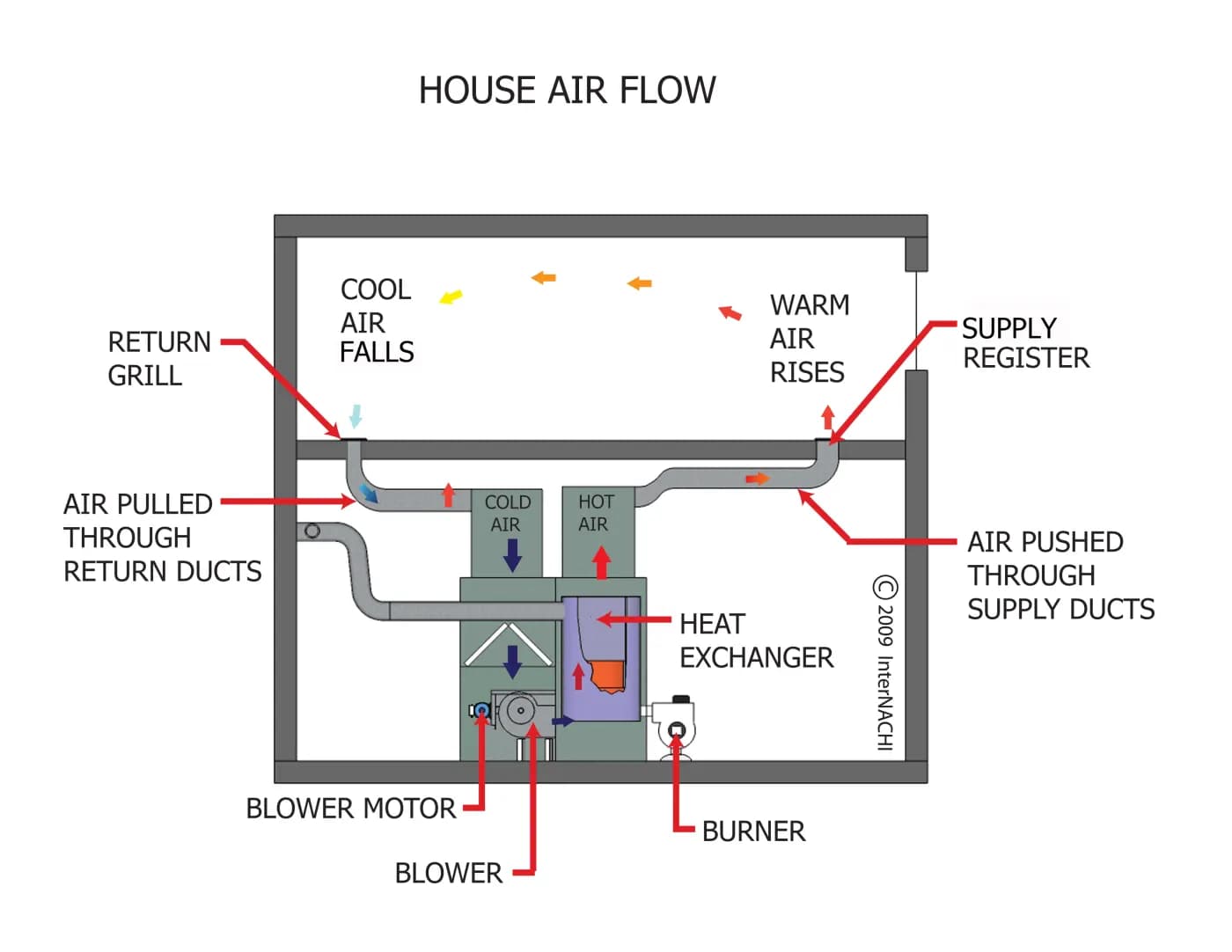
Weak or uneven airflow is one of the most common warning signs that your AC or heat pump needs professional attention.If you’ve noticed that some rooms feel cooler or warmer than others, it’s not simply “how your home was built” — it’s often a sign of restricted airflow.
Common causes of weak airflow include:
Clogged air filters. Even a thin layer of dust can reduce your system’s efficiency by up to 15%, according to the U.S. Department of Energy.
Dirty evaporator or condenser coils. Dirt buildup prevents proper heat exchange, forcing the system to work harder and use more energy.
Blocked or leaky ducts. Undersized, disconnected, or leaky ducts can cause uneven air distribution throughout your home.
Blower motor issues. A weakened motor or dirty fan blades can significantly reduce airflow and system performance.
Top Climate Recommendation: Check or replace your filter every 1–3 months, especially after heavy summer use.If airflow still feels weak, schedule a professional inspection. Our technicians can measure static pressure, test motor amperage, and clean coils safely without damaging the fins.
-> According to the National Comfort Institute (NCI), 85% of tested HVAC systems operate at less than 60% of their rated capacity — meaning airflow and performance problems are extremely common, but can usually be corrected with proper maintenance.(Source: NCI Efficiency Loss Study)
Strange Noises
Your HVAC system should never sound like it’s trying to get your attention.If you hear banging, rattling, or hissing, that’s your unit’s way of telling you something’s not right. Most of the time, these sounds start small — a loose screw, a vibrating panel, a fan blade just beginning to wobble — but they rarely fix themselves.
What begins as a minor vibration can quickly wear down bearings, belts, or even the compressor itself. In many cases, a single loose part can cause a chain reaction that leads to a full system shutdown.
A professional technician can tell within minutes whether a sound is harmless or the start of a serious issue. Catching it early means avoiding mid-season breakdowns and expensive repairs.
Free Estimate
Musty or Burnt Smells
When you turn on your AC or heat pump and catch that faint “something smells off” odor — don’t ignore it.It’s often the first sign that moisture, dust, or wiring issues are hiding inside your system.
A musty smell usually points to mold or mildew growth inside the evaporator coil, drain pan, or ductwork. These areas collect condensation during summer and can stay damp long after you stop using cooling mode. Breathing that air isn’t just unpleasant — it can trigger allergies and spread spores throughout your home.
A burnt or metallic smell, on the other hand, can indicate overheated wiring, motor bearings, or insulation. This type of odor should never be ignored; it may signal that electrical components are wearing out or shorting.
Top Climate Recommendation: Turn off the system and schedule an HVAC inspection if you notice any persistent or unusual odor.During a fall maintenance visit, our technicians clean coils and drain lines, inspect wiring, and ensure safe operation before the heating season begins.
Routine cleaning and moisture control not only remove odors but also help your system run quieter, safer, and more efficiently all year long.
Higher Energy Bills
If your summer energy bills were noticeably higher than usual, your AC or heat pump may have been working harder than it should. When airflow is restricted, coils are dirty, or filters are clogged, your system has to run longer to maintain the same comfort level — which directly increases energy consumption.
Even a small loss in efficiency can quickly add up over time. A simple tune-up can restore proper performance, reduce strain on critical components, and help lower your monthly utility costs.
We recommend scheduling seasonal maintenance before peak usage periods. Regular servicing not only improves efficiency but also helps detect hidden issues that could lead to costly repairs or energy waste later on.
Water Leaks or Ice on the Unit
Finding water around your indoor unit or seeing ice on the refrigerant lines is never normal. These signs usually indicate that your system is struggling to regulate temperature or manage condensation properly.
Common causes include clogged condensate drain lines, low refrigerant levels, or restricted airflow that causes the coil to freeze. As the ice melts, it can lead to water pooling around the air handler, potentially damaging floors, insulation, or electrical components nearby.
If ignored, these issues can escalate — frozen coils may crack, refrigerant pressure can drop, and your system might eventually shut down to prevent further damage.
System Running Constantly
If your AC or heat pump ran almost nonstop this summer, that’s a sign it’s struggling to reach the temperature you set. Continuous cycling often points to deeper system imbalances — such as restricted airflow, low refrigerant levels, or incorrect thermostat calibration.
In some homes, it can also mean the system is undersized for the square footage or losing conditioned air through poorly sealed ducts or windows. Over time, this constant operation increases wear on components, shortens equipment life, and drives up energy bills.
It’s Been Over a Year Since Your Last Service
If you can’t remember the last time your AC or heat pump was serviced, it’s a clear sign that maintenance is overdue.Even if your system seems to be working fine, small inefficiencies or early wear can go unnoticed — until they turn into costly repairs.
Regular maintenance helps keep your HVAC system clean, efficient, and reliable throughout the year. It also ensures key components like coils, motors, and safety controls are operating as they should.
Most manufacturers recommend at least one professional service visit per year to maintain performance and protect warranty coverage.A routine inspection now means peace of mind when you need your system most — whether that’s keeping cool in summer or warm through a Massachusetts winter.
Winter Tip from Top Climate:
Schedule your AC and heating system maintenance together this season.Our certified techs will clean, inspect, and make sure you’re ready for both the cold months ahead and next summer’s heat.
Need HVAC Service or Have a Question?
Click below and our team will get back to you the same day.
topclimateboston@gmail.com
+1 (339) 224-8416
www.top-climate.com
Frequently asked questions
Most manufacturers recommend once a year, ideally in fall or early spring. If you have pets or allergies, service every 6 to 9 months. Heat pumps run year-round for heating and cooling, so they benefit from a visit in both spring and fall to stay efficient and reliable.
Dust buildup, clogged drains, refrigerant loss and weak airflow slowly damage the system. That leads to higher energy bills, poor temperature control, early breakdowns and expensive repairs later. A routine tune-up costs far less than an emergency repair and catches most of these problems while they are still small.
The most common reasons are a dirty filter, low refrigerant, dirty coils, a weak blower motor or leaky ductwork. Check and replace the filter first. If the air is still warm, a quick diagnostic visit usually finds the root cause within minutes and protects the compressor from damage.
Banging usually means loose or broken parts, rattling points to loose panels or debris, hissing suggests a refrigerant leak or a pressure problem, and buzzing often means an electrical fault. All of these need a technician, especially hissing or buzzing, so turn the system off and book an inspection.
No. A musty smell usually means mold or moisture inside the system, and a burnt smell points to an electrical or motor problem. Shut the system off and schedule an inspection if the smell persists, because both problems get worse and more costly the longer the system runs.
Yes. Turn it off to prevent more damage. Ice usually means an airflow or refrigerant problem, and both can cause a full freeze-up that strains the compressor. Let the ice melt, check that the filter is clean, then call a technician to find and fix the cause.
Warning signs include an AC that runs constantly, uneven temperatures between rooms, high humidity indoors and a house that never reaches the set temperature. In Massachusetts we often see 3-ton systems installed where 4-ton is needed, especially in 2,000 to 2,500 square foot homes.
At Top Climate we check the refrigerant pressure, electrical components, blower motor and fan, temperature split, duct static pressure and safety controls. We also clean the condensate drain and the outdoor coil and calibrate the thermostat, so the system is ready for winter heating and next summer's cooling.
Read more
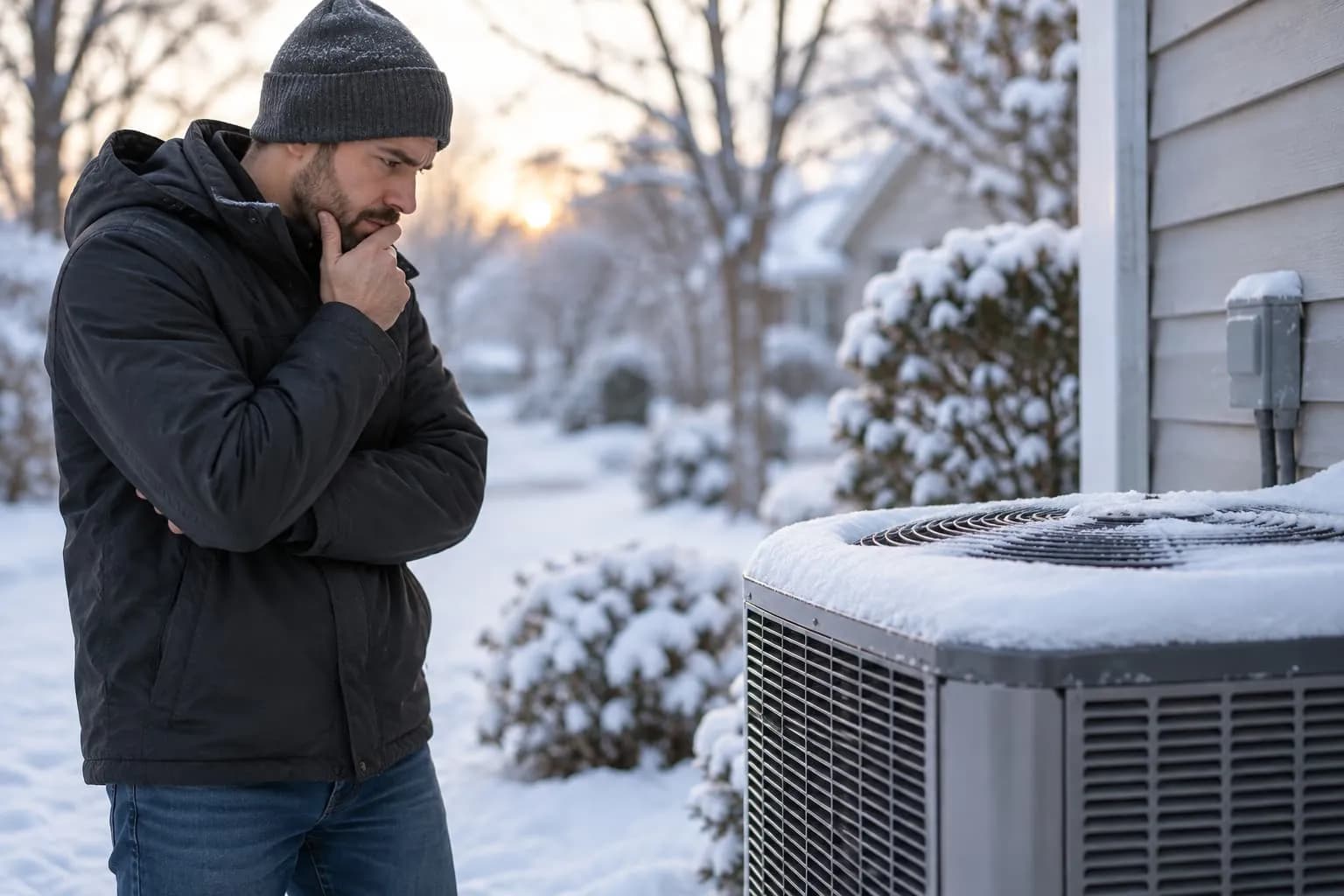 Winter HVAC Checklist: How to Prepare Your Heating System for the Massachusetts ColdFollow this winter HVAC checklist before the first cold snap hits. Filter, tune-up, thermostat, and warning signs to check on your furnace, heat pump, or mini-split — from Top Climate.
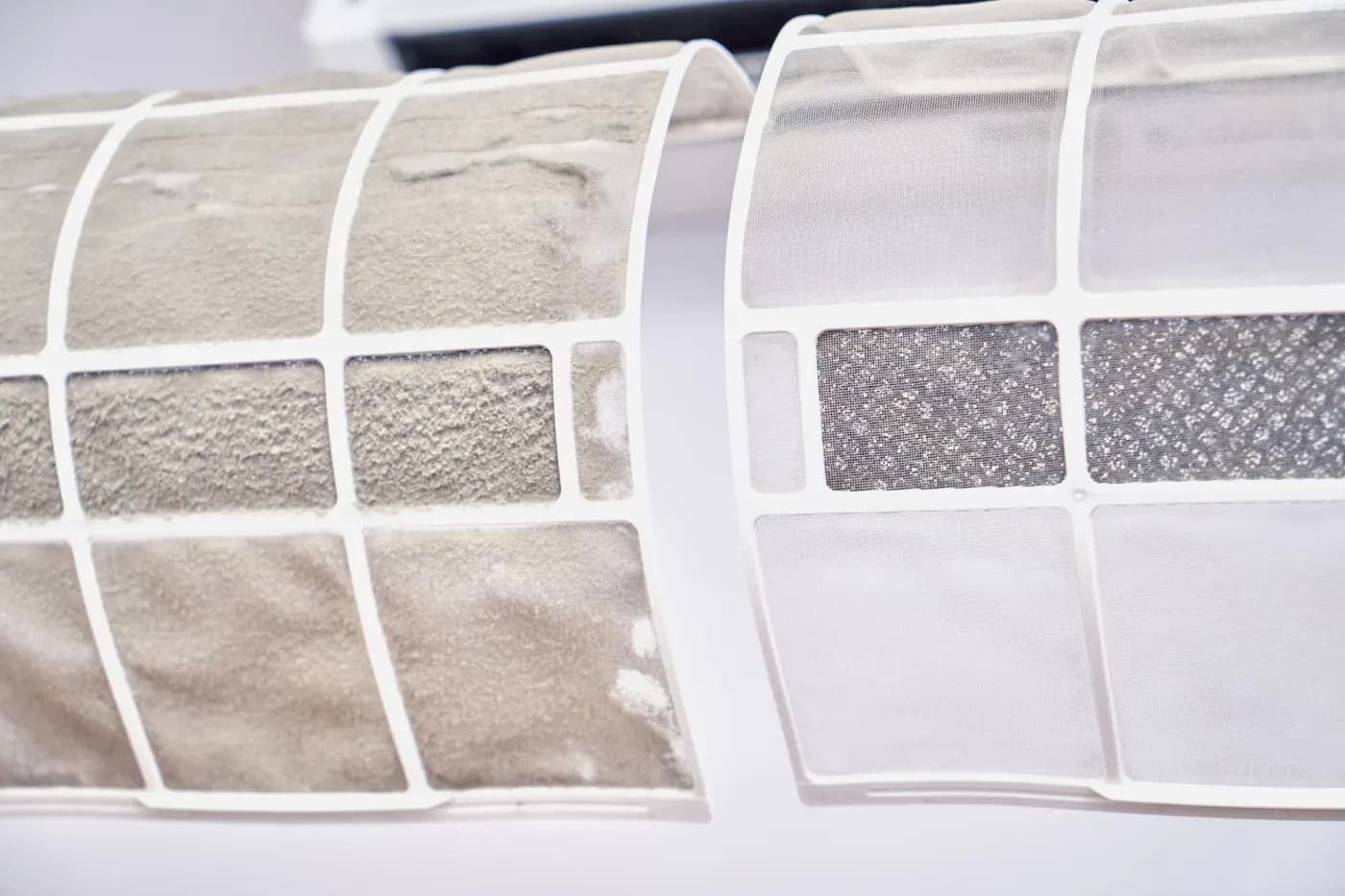 Why Is My AC Blowing Warm Air? A Homeowner’s Guide to Diagnosing the Problem Before It Becomes an Expensive RepairIs your AC running but your house is still hot? Learn the most common reasons your air conditioner blows warm air and what to check before calling for repair.
 Which AC Unit Is Best for You: Window, Portable, Central, or Mini-Split?