

How Much Does It Cost to Run an AC in Massachusetts? (Real Numbers for 2026)
Learn how much it costs to run an AC in Massachusetts in 2026. Real numbers, energy costs, and tips to lower your electric bill this summer
If your electric bill spikes every summer, you’re not alone.
In Massachusetts, cooling costs can add up quickly — especially during heat waves. But how much should it actually cost to run your AC?
This guide breaks down real numbers, real examples, and practical ways to reduce your cooling expenses.
Average AC Cost in Massachusetts
For most homeowners in Massachusetts, running an air conditioner costs between $150 and $300 per month during the summer.
The exact cost depends on:
Home size
Type of system
Energy efficiency
Outdoor temperature and humidity
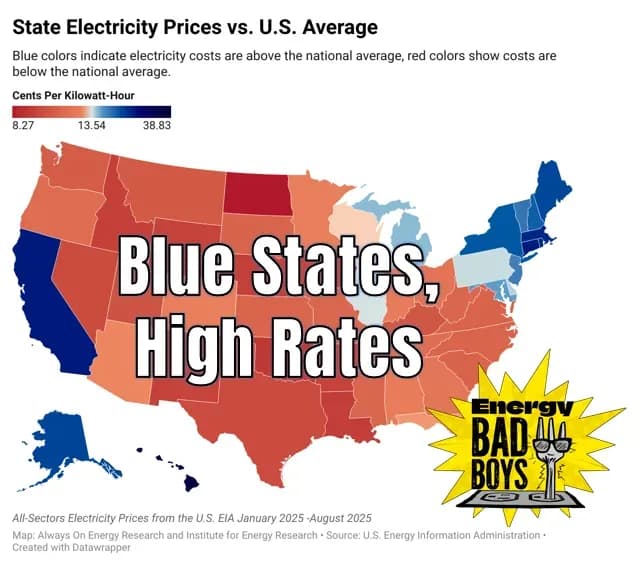
According to the U.S. Energy Information Administration (EIA), residential electricity prices in Massachusetts average around $0.28–$0.32 per kWh, significantly higher than the national average.
Source: https://www.eia.gov/electricity/state/
Real Cost Breakdown (Example)
Consider a typical central AC system:
System size: 2.5–3 tons
Usage: 8–10 hours per day
Electricity rate in Massachusetts: approximately $0.28 per kWh
Estimated cost:
Monthly: $180–$260
Seasonal (3–4 months): $540–$1,000
Source: https://energybadboys.substack.com/p/blue-states-high-rates
Why Cooling Costs Are Higher in Massachusetts
Massachusetts has some of the highest electricity rates in the United States.
In addition, several factors increase system demand:
High summer humidity
Older housing stock
Insulation and airflow issues
As a result, HVAC systems often work harder and consume more energy.
If you’re also looking to reduce overall energy expenses, read our full guide on How to Save on Heating and Cooling Costs in Massachusetts
Common Reasons Your AC Costs More
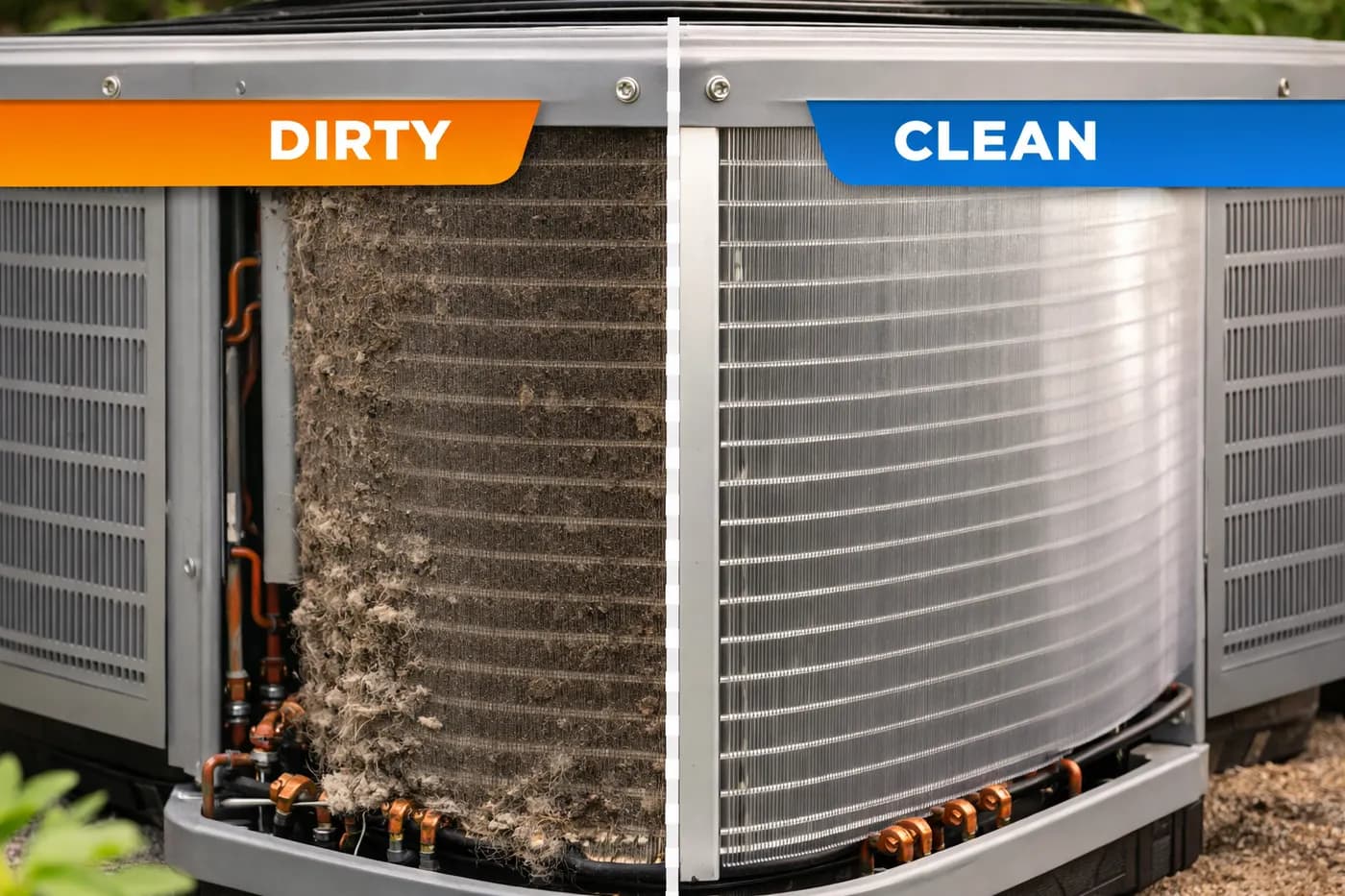
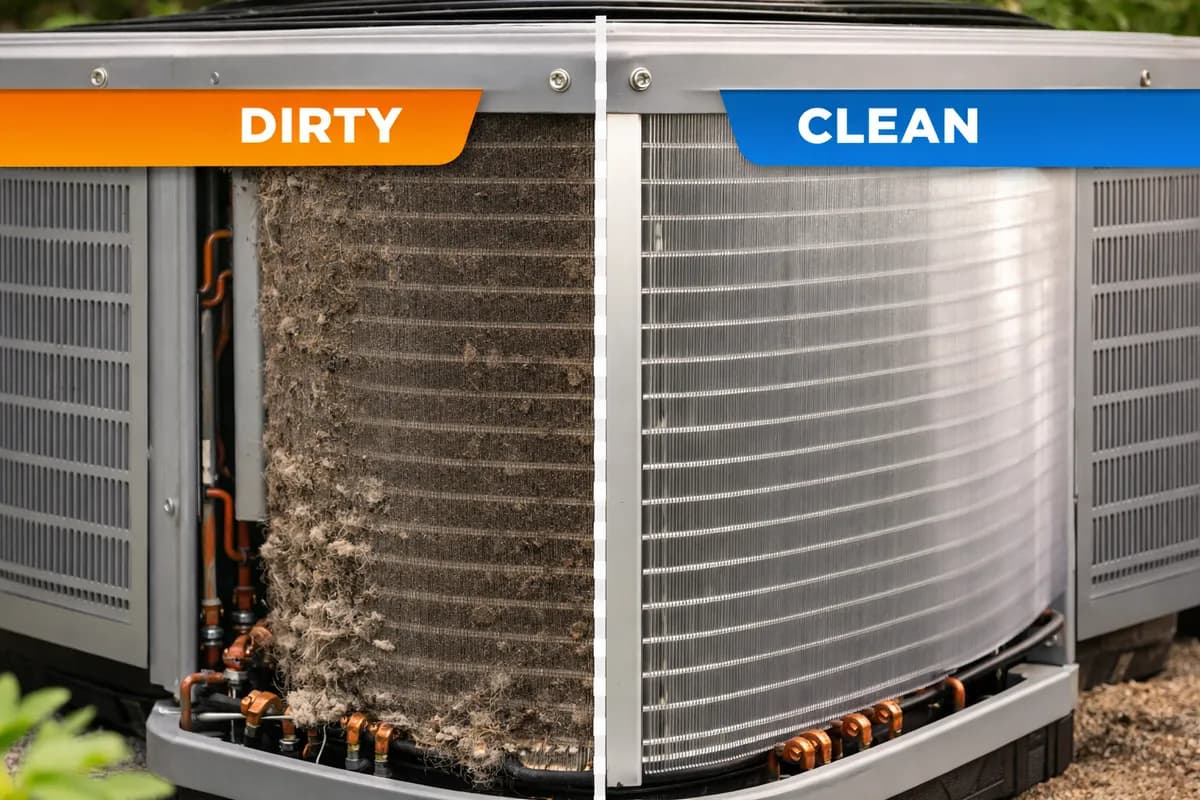
Dirty coils or filters
Can reduce efficiency by up to 15–20%.
Low refrigerant levels
Forces the system to run longer to achieve the same cooling.
Poor airflow
Blocked vents or duct issues reduce system performance.
Older equipment (10–15+ years)
Older systems may use 30–50% more energy than newer models.
Lack of maintenance
Efficiency naturally declines over time without regular service.
How Much You May Be Overpaying
If your monthly bill is around $220 and your system is operating at 20% lower efficiency:
Additional cost: approximately $44 per month
Over a full summer: $130–$180 in avoidable expenses
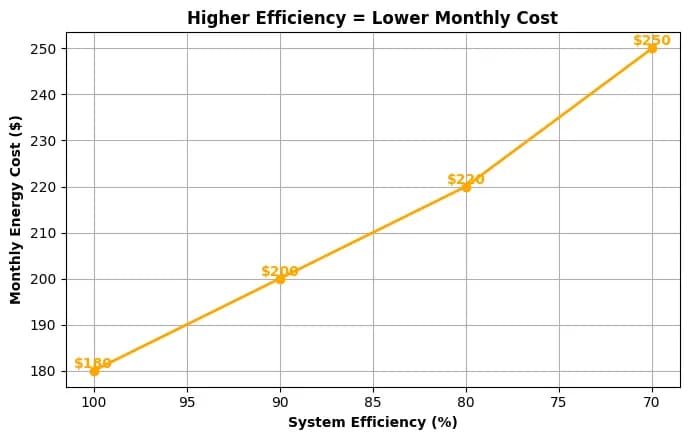
The chart below illustrates how system efficiency directly impacts your monthly cooling costs.
System Efficiency
Monthly Cost
Increase
100% (Optimal)
$180
90%
$200
+11%
80%
$220
+22%
70%
$250
+39%
Key insight:A system operating at just 80% efficiency can increase your cooling costs by over 20%.
System Comparison: Cooling Cost by Type
System Type
Estimated Monthly Cost
Efficiency Level
Central AC
$180–$260
Moderate
Mini Split
$120–$200
High
Heat Pump
$100–$180
Very High
Modern systems can reduce cooling costs by 20–40% compared to older equipment.
How to Reduce Your AC Costs
Schedule professional HVAC maintenance (learn more in our guide: 7 Hidden Signs Your AC Needs Maintenance Before It Breaks Down)
Replace air filters regularly
Install a programmable or smart thermostat
Upgrade outdated equipment when necessary
Address airflow and duct issues
Improving system efficiency typically delivers greater savings than simply reducing usage.
Why Spring Maintenance Matters
Scheduling service before peak season offers several advantages:
Prevents unexpected breakdowns
Ensures optimal system performance
Avoids peak-season delays and pricing
Top Climate currently offers a 10% discount on pre-season HVAC services.
Schedule Your Service
Avoid high energy bills and unexpected failures during peak summer heat.
Serving Salem, MA and surrounding areas
Phone: (339) 224-8416
Website: www.top-climate.com
Key Takeaway
Higher-than-expected cooling costs are often caused by inefficiency — not just usage.
In most cases, these issues can be identified and corrected early, helping reduce both energy consumption and long-term repair costs.
Frequently asked questions
The daily cost depends on the size of the system, its efficiency rating, how many hours it runs, the outdoor temperature and humidity, and your electricity rate. A correctly sized, well-maintained, high-efficiency unit costs noticeably less to run. The cost breakdown above walks through a real example for a Massachusetts home.
The most common reasons are low system efficiency, dirty filters or coils, high humidity levels and older HVAC equipment. Each one makes the air conditioner run longer to reach the same temperature. A tune-up, a filter change and correct thermostat settings usually bring the bill down noticeably.
Yes. According to Energy Star, proper maintenance can improve efficiency by up to 15%, which directly reduces monthly energy bills. Clean coils and filters let air move freely, correct refrigerant levels keep the compressor efficient, and a technician spots worn parts before they waste energy or fail.
The U.S. Department of Energy recommends 78°F (25 to 26°C) for the best balance between comfort and efficiency while you are home. Raising it a few degrees while you are away or asleep saves more. A programmable or smart thermostat makes this automatic, so you do not have to remember.
Not necessarily. A properly programmed thermostat is more efficient than running the system continuously. Letting the temperature rise a few degrees while the house is empty, then cooling it before you return, uses less energy in most homes, especially with a correctly sized, well-maintained system.
Read more
 Winter HVAC Checklist: How to Prepare Your Heating System for the Massachusetts ColdFollow this winter HVAC checklist before the first cold snap hits. Filter, tune-up, thermostat, and warning signs to check on your furnace, heat pump, or mini-split — from Top Climate.
 Why Is My AC Blowing Warm Air? A Homeowner’s Guide to Diagnosing the Problem Before It Becomes an Expensive RepairIs your AC running but your house is still hot? Learn the most common reasons your air conditioner blows warm air and what to check before calling for repair.
 Which AC Unit Is Best for You: Window, Portable, Central, or Mini-Split?