

Do You Need a Whole-Home Humidifier? Signs, Benefits, and What to Expect
Improve your home comfort and air quality with a whole-home humidifier. Top Climate offers professional humidifier installation in Massachusetts. Get a free estimate today.
If your home feels dry, you’re not imagining it.You might notice dry skin, static electricity, or even changes in your home — like gaps in wood floors or discomfort in the air.
These are common signs of low indoor humidity and a whole-home humidifier is one of the most effective ways to restore comfort and balance.
What Is a Whole-Home Humidifier?
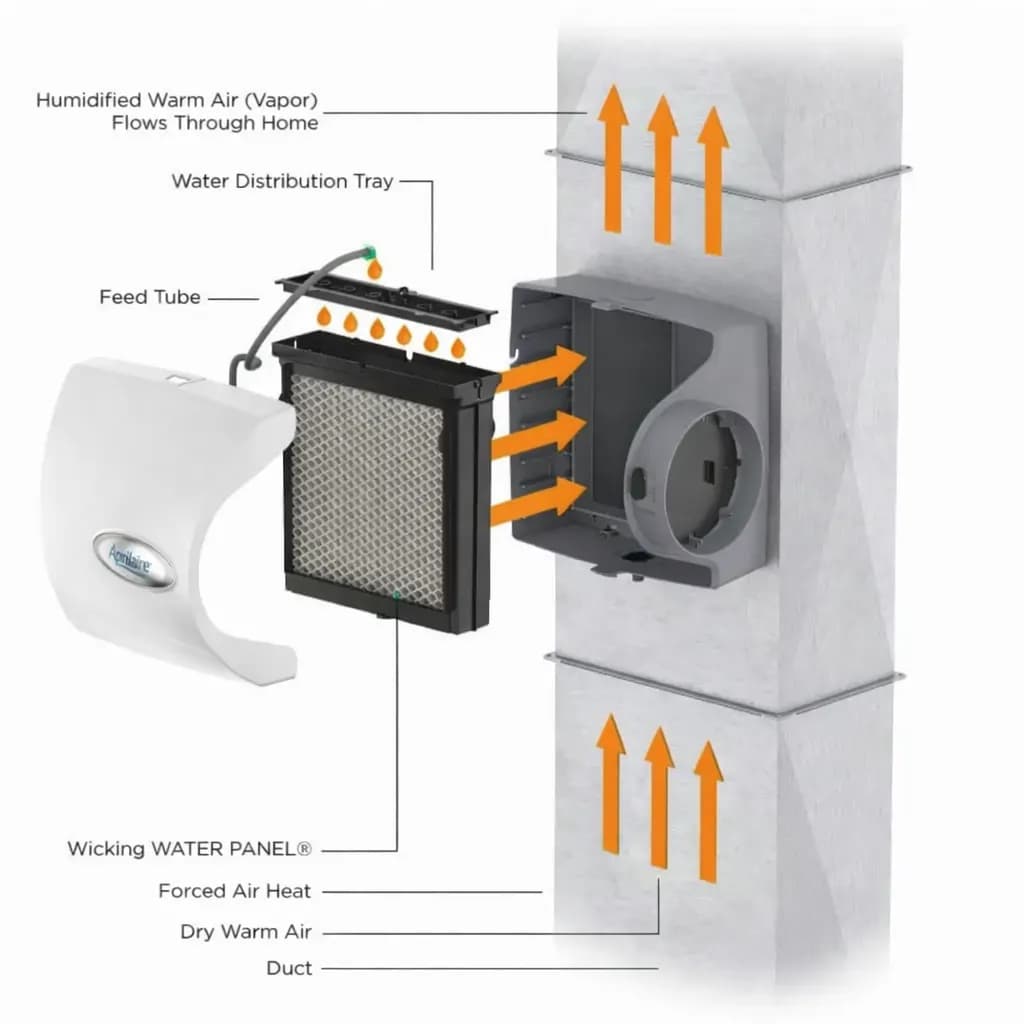
A whole-home humidifier is installed directly into your HVAC system and maintains consistent humidity levels throughout your entire home.
Unlike portable units, it works automatically with your heating system to distribute moisture evenly in every room.
Why Proper Humidity Matters
Indoor air can become very dry — especially during the heating season in New England.
Low humidity doesn’t just feel uncomfortable — it affects your health and your home.
You may notice:
Dry skin, irritated throat, and sinus discomfort
Increased allergies and respiratory irritation
Static electricity
Dust buildup and poor air quality
Maintaining proper humidity creates a healthier, more comfortable indoor environment.
For most homes, the recommended humidity level is: 35% – 55%
Keeping your home within this range helps:
Improve breathing comfort
Support better air quality
Prevent dryness-related irritation
Maintain a stable indoor environment
What Causes Dry Air in Your Home?
Dry indoor air is often caused by:
Cold outdoor air entering your home
Air leaks around windows, doors, and ducts
Heating systems running frequently
As warm air escapes and colder air enters, humidity levels drop — making your home feel dry and uncomfortable.
Heating systems running frequently can contribute to dry air — especially during winter months. If you’re concerned about energy usage, check out our article on how much it costs to run an AC in Massachusetts.
How a Whole-Home Humidifier Works
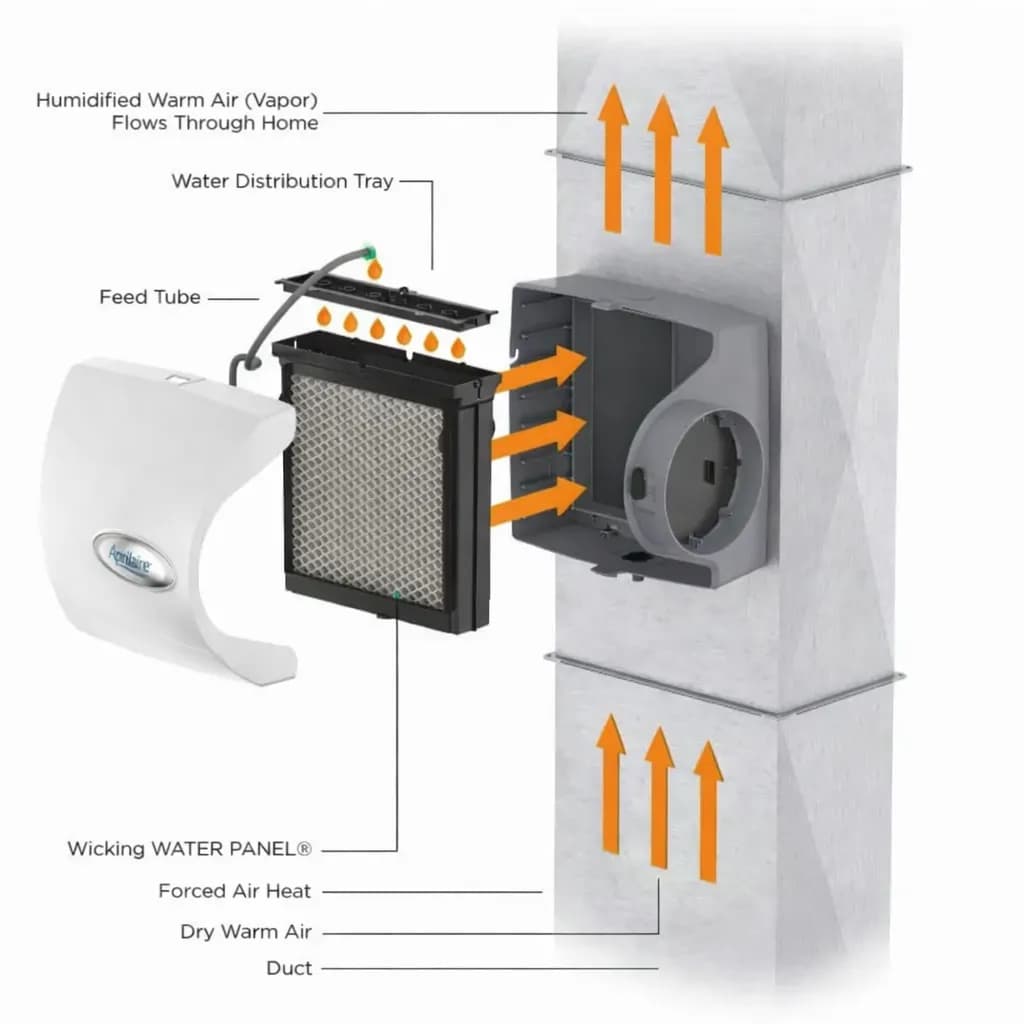
A whole-home humidifier is installed directly on your HVAC duct system.
When your heating system runs:
Air passes through the humidifier
Moisture is added
Humidified air is distributed throughout your home
The system automatically maintains consistent humidity levels without the need for constant adjustments.
Improving your HVAC system and maintaining proper humidity often go hand in hand. You can also learn more about optimizing your system and reducing costs in our guide on how to save on heating and cooling in Massachusetts.
Whole-Home vs Portable Humidifiers
Feature
Whole-Home Humidifier
Portable Humidifier
Coverage
Entire home
One room
Maintenance
Low
Frequent refilling
Performance
Consistent
Inconsistent
Operation
Automatic
Manual
A whole-home system provides a more reliable and long-term solution.
How Dry Air Affects Your Home
In addition to improving comfort, proper humidity helps protect your home and its materials.
Wood naturally reacts to changes in moisture levels. When indoor air becomes too dry:
Hardwood floors can shrink
Gaps may appear between boards
Floors may start to creak or shift
Furniture and wood finishes can dry out
Maintaining stable humidity helps prevent these issues and protects your investment over time.
Benefits of Installing a Whole-Home Humidifier
✔ Improves indoor comfort and air quality
✔ Reduces dryness and irritation
✔ Helps with allergies and breathing
✔ Protects wood floors, furniture, and materials
✔ Reduces static electricity
✔ Provides consistent, whole-home coverage
Why Professional Installation Matters
Improper humidity control can lead to excess moisture and potential issues like mold.
That’s why proper installation is critical:
Correct system sizing
Proper integration with your HVAC system
Controlled operation during heating cycles
A professionally installed system ensures safe and effective performance.
At Top Climate, we provide professional humidifier installation tailored to your HVAC system and home.
We focus on:
Proper system sizing
Clean, professional installation
Reliable long-term performance
Get a Free Estimate
Ready to improve your home’s comfort and air quality?
Contact us today!
339-224-8416
www.top-climate.com
See All
How Much Does It Cost to Run an AC in Massachusetts? (Real Numbers for 2026)
How to Save on Heating and Cooling Costs in Massachusetts
7 Hidden Signs Your AC Needs Maintenance Before It Breaks Down
Frequently asked questions
A whole-home humidifier is installed directly into your HVAC system and keeps humidity at a steady level throughout your entire home. Unlike portable units, it works automatically with your heating system and spreads moisture evenly to every room, so you never have to refill or move anything.
Most homes are comfortable at a relative humidity of about 30 to 50 percent. Below that, the air feels dry, skin and throats get irritated, static builds up and wood floors can gap. A whole-home humidifier with a humidistat keeps humidity in that range automatically during the heating season.
Cold outdoor air holds very little moisture, and when your heating system warms it, the relative humidity indoors drops sharply. Long New England heating seasons make this worse. Dry air causes dry skin, static electricity, general discomfort and gaps in wood floors and furniture.
For most homes, yes. A portable humidifier treats one room and needs regular refilling and cleaning, while a whole-home unit connects to your HVAC system and water line and works automatically for every room. Professional installation makes sure it is sized, connected and controlled correctly for your home.
Read more
 Winter HVAC Checklist: How to Prepare Your Heating System for the Massachusetts ColdFollow this winter HVAC checklist before the first cold snap hits. Filter, tune-up, thermostat, and warning signs to check on your furnace, heat pump, or mini-split — from Top Climate.
 Why Is My AC Blowing Warm Air? A Homeowner’s Guide to Diagnosing the Problem Before It Becomes an Expensive RepairIs your AC running but your house is still hot? Learn the most common reasons your air conditioner blows warm air and what to check before calling for repair.
 Which AC Unit Is Best for You: Window, Portable, Central, or Mini-Split?